
👂 Deep Listening
Deep listening goes beyond hearing words. Discover how intentional listening improves relationships, leadership, and emotional intelligence in everyday life.
5/6/20262 min read
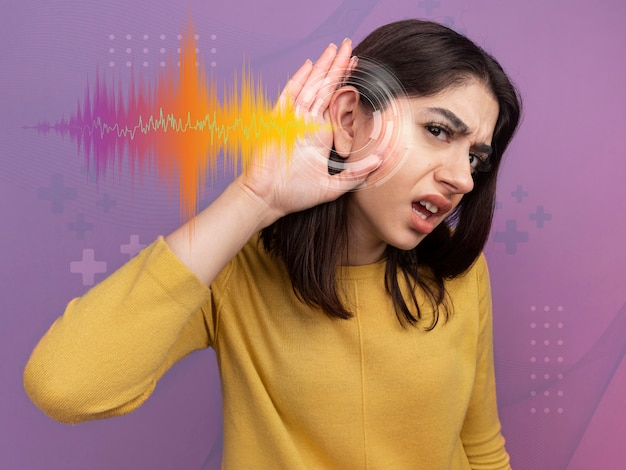
Most people listen to reply. Few listen to understand.
Deep listening is more than silence while someone else speaks. It’s full attention — mentally, emotionally, and physically. It’s the practice of being present without preparing your next response.
When you truly listen, conversations change. Relationships deepen. Trust strengthens.
1. Listening Builds Trust
People feel valued when they feel heard.
Deep listening:
reduces defensiveness
builds safety
strengthens connection
Trust grows when attention is genuine.
2. Presence Matters More Than Words
Being fully present communicates respect.
That means:
making eye contact
minimizing distractions
avoiding interruptions
Attention is one of the most powerful forms of respect.
3. Understanding Before Responding
Deep listening focuses on clarity, not quick replies.
Instead of reacting, you:
ask thoughtful questions
reflect what you heard
pause before responding
Understanding improves outcomes.
4. Listening Strengthens Emotional Intelligence
Emotional intelligence grows when you tune into tone, pauses, and body language.
You begin to notice:
unspoken concerns
subtle emotions
underlying needs
Awareness enhances empathy.
5. Silence Can Be Powerful
Not every moment needs to be filled.
Intentional pauses:
allow reflection
reduce pressure
encourage honesty
Silence often invites deeper truth.
6. Deep Listening Improves Leadership
In professional settings, strong listening skills:
improve collaboration
prevent misunderstandings
build credibility
Leaders who listen create stronger teams.
7. Listening Reduces Conflict
Many conflicts arise from feeling misunderstood.
When people feel heard:
tension softens
defensiveness lowers
solutions become clearer
Listening prevents escalation.
8. Listening to Yourself Matters Too
Deep listening isn’t only external.
It also means:
noticing your own needs
recognizing emotional signals
honoring inner guidance
Self-awareness strengthens clarity.
Conclusion
👂 Deep listening transforms communication.
It strengthens relationships, improves leadership, and fosters emotional intelligence. In a world full of noise, choosing to listen deeply is both rare and powerful.
And if you’re looking to build communication systems, collaborative workflows, or intentional leadership practices that encourage clarity and connection, Saravapro is here to support meaningful progress.
Image Source: Freepik
#DeepListening #ActiveListening #IntentionalCommunication #EmotionalIntelligence #MindfulConversations #LeadershipSkills #StrongerConnections #Saravapro